Definition of Deep Learning AI and Examples of Its Application
Deep learning AI is a rapidly developing and increasingly popular Artificial Intelligence technology. The use of complex neural network algorithms enables deep learning to process


Imagine walking through a dream city, exploring outer space, or meeting someone in another world without actually leaving your home. All of this is possible thanks to Virtual Reality technology. This technology provides interactive experiences in a three-dimensional digital space that feel incredibly real.
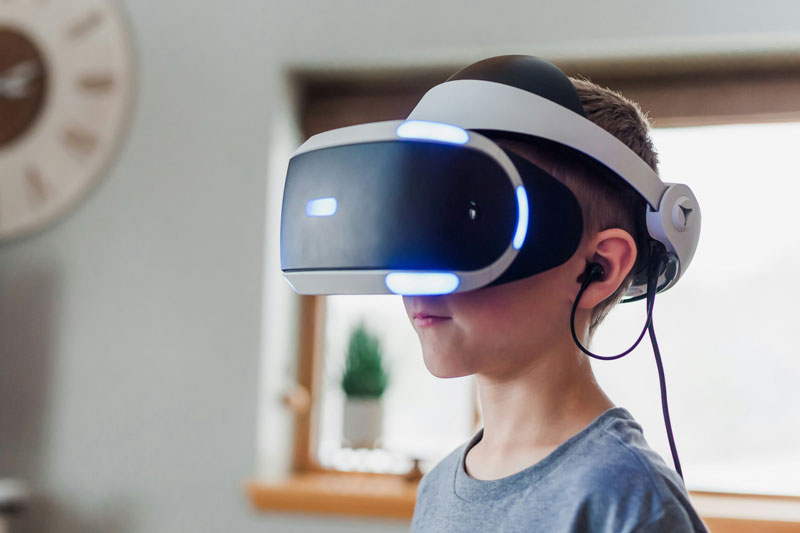
Through a headset and motion sensors, users can enter a computer-controlled virtual world. Every movement of the head, hand, or even footstep is translated into an interaction in the virtual world. This is where the feeling of being “present” truly becomes apparent, blurring the line between reality and simulation.
Interestingly, according to a 2024 report from Statista, the global market value for Virtual Reality is predicted to reach over US$18 billion by 2025, a sharp increase from the previous year. This figure demonstrates the enormous potential of this technology in shaping our digital future.
Virtual Reality is a digital system that allows users to interact in a three-dimensional simulated environment. VR not only displays images, but also stimulates the senses of sight and hearing to create an immersive experience.
When someone wears a VR headset, the screen inside the device displays visuals from the digital world. Sensors in the headset track gaze direction, so the display moves with head movements in real time. As a result, the user feels as if they are actually in the world.

To create an immersive digital world, Virtual Reality technology works through several important stages. First, the system performs motion tracking. Gyroscope sensors and cameras detect the direction and position of the user’s head. This data is used to adjust the visual display to remain consistent with real-life movements.
Second, graphics processing is performed by a specialized computer or processor in the headset. This technology produces high-quality three-dimensional images, complete with realistic shadows, lighting, and textures.
After that, user interaction becomes the key element. Through controllers or motion sensors, the system reads the movements of hands, fingers, and even the body. Every action in the real world is translated into the virtual world.
Finally, spatial audio, or three-dimensional sound, adds a sense of reality. Sounds appear to come from specific directions, making the experience even more realistic. All of these processes occur quickly, lasting only milliseconds, to avoid dizziness or disorientation.
As technology advances, Virtual Reality technology comes in several different forms.
Virtual Reality technology is now increasingly widespread. It’s not just for entertainment, but also helps various important sectors of modern life.
In education, VR opens up new and more engaging ways of learning. Students can explore space, the human body, or historical buildings without leaving the classroom. Learning becomes more interactive and easier to understand.
In healthcare, VR is used for medical training and patient therapy. For example, doctors can practice complex surgeries virtually before performing them in the real world. VR therapy is even now being used to reduce post-operative pain and stress.
In the architecture and automotive industries, VR helps designers create and test 3D designs before they are built or manufactured. This saves time and costs.
In tourism, virtual tours allow anyone to explore exotic destinations digitally. This experience significantly helps promote tourist destinations without having to travel far.
With such broad benefits, Virtual Reality is truly a transformative tool across industries.
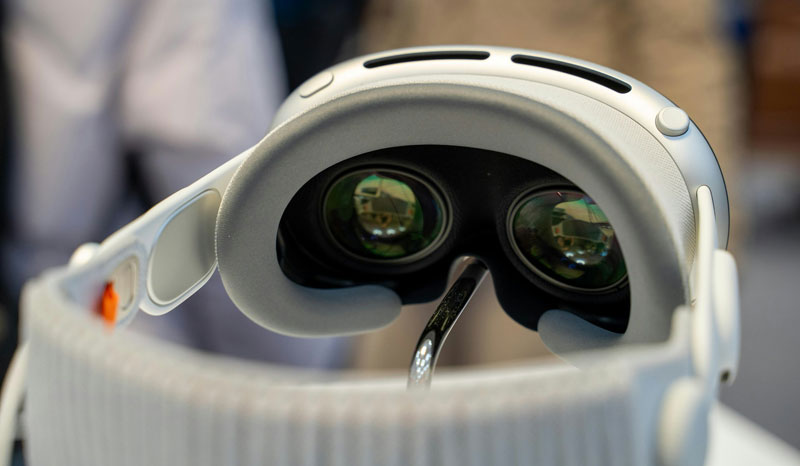
The development of Virtual Reality technology will not stop here. In the future, this technology will be integrated with artificial intelligence (AI), the Internet of Things (IoT), and cloud computing. All of these elements will expand VR’s capabilities, making it more intelligent, realistic, and personal.
Imagine a world where you can work, study, shop, and socialize in a three-dimensional digital space. Everything feels real, even from your own living room. This is the future direction VR is shaping.
However, despite its advantages, challenges remain. Lighter devices, smoother visuals, and more affordable prices are needed to make this technology accessible to more people. Furthermore, developers need to consider user ethics and health to ensure VR remains safe for long-term use.

Ultimately, VR technology is a symbol of human progress in creating digital worlds that approach reality. This technology is not just a means of entertainment, but a bridge to a future where the boundaries between the real world and the virtual world are increasingly blurred.
Virtual Reality technology has opened a new chapter in digital history. With its ability to create immersive three-dimensional experiences, VR presents significant opportunities in various fields, from entertainment and education to healthcare and the creative industry. Global market data shows a rapid growth trend. This means that VR is no longer a technology of the future, but rather a present-day innovation that is transforming the way we live and interact.
Deep learning AI is a rapidly developing and increasingly popular Artificial Intelligence technology. The use of complex neural network algorithms enables deep learning to process

Affiliate marketing is a promotional method in which an individual or group receives compensation for successfully selling a product or service. In this system, the

There are many personal branding strategy that can be applied to enhance personal growth and success. However, not everyone truly understands these strategies. As a