
Quotes about Coffee for Inspiration, Perfect for Social Media Captions
Quotes about coffee are simple expressions that often describe the taste, atmosphere, and reflection of life through a cup of coffee. Many people find peace


Smart home technology has become a symbol of progress in modern lifestyles that prioritize comfort, security, and efficiency. The development of Internet of Things (IoT) and artificial intelligence (AI) technology is driving the creation of homes that can intelligently interact and adapt to their occupants. The concept of a smart home, once considered a futuristic idea, has now become a reality, bringing significant changes to the way people live their daily lives.
Smart home encompasses various devices and systems interconnected via the internet. Every device, from lighting and air conditioning to security systems and kitchen appliances, can be controlled remotely using a smartphone or voice commands.
This technology works through communication protocols such as Wi-Fi, Bluetooth, or Zigbee, allowing various devices to operate synchronously. This integration provides incredible convenience in managing various aspects of a household with high efficiency.
For example, lights can turn on automatically when residents arrive home, doors can lock automatically when they leave, or the room temperature can adjust to weather conditions without the need for manual intervention.

Here are the advantages of using a smart home:
One of the greatest benefits of smart technology is its ability to save energy. Devices such as smart thermostats can learn the habits of occupants and automatically adjust the room temperature, resulting in more efficient energy consumption.
Furthermore, smart lighting systems can be controlled remotely and set to turn on only when needed. The integration of solar energy with intelligent management systems also has a significant impact on reducing reliance on fossil fuels, making smart homes more environmentally friendly.
Security is a key pillar in the implementation of smart technology. Security systems such as smart cameras, smart locks, and motion sensors provide real-time surveillance of the entire home. Advanced cameras like Ring or Arlo are equipped with facial recognition and motion detection features, providing immediate notifications when suspicious activity is detected.
This technology also enables remote access, allowing doors to be locked or unlocked using a mobile phone, as well as granting temporary access to guests or cleaning staff without the need for a physical key.
The main concept of smart home technology is to create an intuitive home. Systems like Amazon Alexa, Google Assistant, or Apple HomeKit allow home control with just voice commands.
Daily routines can also be automated, for example, in the morning, the system turns on the bedroom lights, heats the water, and turns on your favorite music player. With this automation, every activity is more efficient, providing a calmer and more organized living experience.
This smart technology now also plays a role in maintaining the health of residents. Devices like smart air purifiers can automatically monitor and filter air quality, while smart mirrors can display health data such as weight, blood pressure, or fitness recommendations.
In the kitchen, smart refrigerators help monitor food availability and provide nutritious menu suggestions based on available stock. All of these innovations make homes not only comfortable but also support a healthy and balanced lifestyle.
Homes equipped with smart technology have a higher appeal in the property market. Many modern buyers are attracted to homes with automation systems, digital security, and energy efficiency. This makes smart homes not only provide comfort, but also increase long-term investment value.

Despite its extensive benefits, the implementation of smart home technology also faces several challenges.
First, cybersecurity is a significant concern. Because all devices are connected to the internet, the risk of hacking and personal data leaks increases. Protections such as using strong passwords, regular software updates, and data encryption systems are crucial steps to avoid digital threats.
Second, the relatively high initial cost remains a barrier for some. However, with increasingly competitive technological developments, smart devices are now becoming more affordable, making smart homes more inclusive for a wider audience.
Third, compatibility issues between devices from different brands sometimes hinder system integration. Therefore, selecting devices with universal communication standards such as Zigbee or Z-Wave is highly recommended for harmonious system operation.
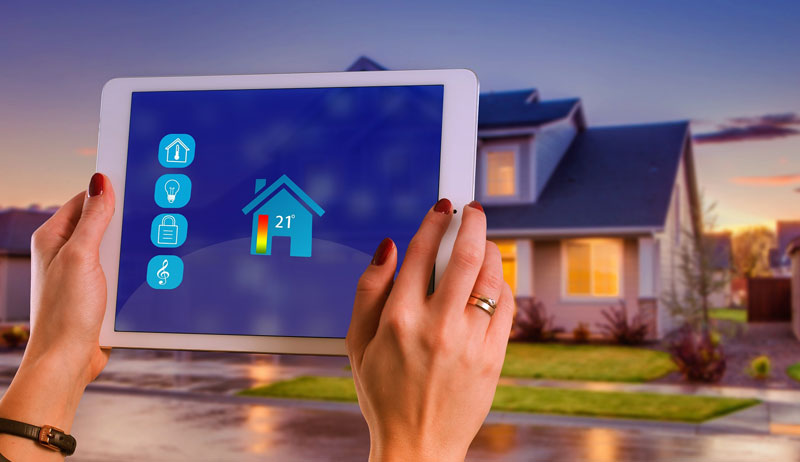
Artificial intelligence is the driving force behind the advancement of the smart home. With its ability to learn user habits, AI can predict needs and provide appropriate automated responses. For example, the system can adjust lighting based on the time of day, open curtains at sunrise, or adjust the room temperature when it detects the presence of an occupant.
Furthermore, AI also strengthens security with facial recognition and behavioral analysis features. Some systems can even distinguish between permanent residents and strangers, reducing the risk of false alarms.
Increasingly sophisticated AI integration makes smart homes more personalized, efficient, and adaptive to the occupants’ lifestyles.
Smart home is not just a trend, but the foundation of the future of modern homes that prioritize efficiency, security, and comfort. Supported by IoT, AI, and sustainable energy technologies, smart homes can provide a responsive, environmentally friendly, and safer living experience.
As innovation continues to advance, smart home technology will become increasingly accessible, ushering in a new era where every home can intelligently think and adapt to the needs of its occupants. The home of the future will no longer be simply a place to live, but an integrated system that supports a more efficient, healthy, and sustainable lifestyle.
Quotes about coffee are simple expressions that often describe the taste, atmosphere, and reflection of life through a cup of coffee. Many people find peace
AI art generator is a computer program that uses artificial intelligence technology to create certain works of art. Although the use of AI in art

When a business is launched, a clear branding strategy is often overlooked. Yet it is precisely this strategy that will decide whether the business becomes