AI automation is the mix of artificial intelligence tools and automated systems that help complete complicated business tasks with little human help. While older automation only followed strict rules, AI-driven programs can adjust when things change. These systems learn from data, notice patterns, and make smart decisions on their own, making work faster and more efficient.
What is AI Automation and Its Impact on Business?

AI automation happens when artificial intelligence works together with automated tools to finish work faster and more efficiently. Smart systems take over repeated activities and help handle complex tasks that usually need human attention.
This technology uses machine learning, natural language processing, computer vision, and prediction models. With these features, AI automation supports companies in working faster and smarter.
A key difference from older automation is adaptability. Traditional systems follow fixed rules. AI learns from data, finds patterns, and gets better over time. It can make decisions and solve problems, which once required human logic.
According to the U.S. Chamber of Commerce, 98% of small businesses now use AI tools, more than double the 40% reported in 2023. Meanwhile, McKinsey reports that 92% of companies plan to invest in AI over the next three years.
How Companies Use Automation with AI Today?

Many businesses already use AI automation in daily operations. The main purpose is to support workers and reduce workload. Here are some common applications for automation with AI:
1. Content Creation and Marketing
A Shopify report from 2025 showed that most business owners who use AI depend on it for making content. Ridge is one example. The brand uses a custom AI tool that creates hundreds of ads each day with little manual work.
2. Data Analysis and Market Research
Tasks that used to require interviews, surveys, and long review sessions can now be completed within minutes. Jones Road Beauty uses AI to study customer comments and online conversations. From these insights, the company formed five useful customer profiles that helped inspire stronger marketing ideas.
3. Customer Service Improvements
Brands such as Loftie and Ridge have experienced faster responses and higher satisfaction after using AI to answer repeated questions. Today, agent-style AI can also process refunds, remember earlier chats, and understand customer needs.
4. Product Development and Personalization
Developing new products often takes a lot of time and money. With AI automation, smaller teams can speed up research, writing, testing, and launch timelines. Loftie used AI to create its Rest app, which now offers personalized sleep stories based on user preferences.
AI Automation Across Different Industries

AI automation is changing how many industries work. To understand how this change affects different areas, here is a closer look at the role of AI automation across various fields:
1. Healthcare Applications
AI helps doctors by quickly examining medical scans and spotting early signs of illnesses such as sepsis or breast cancer. In many cases, it can even identify issues faster and more accurately than humans.
It also supports medical teams by suggesting treatment plans based on patient records and handling routine work like scheduling or billing. This makes hospitals run more smoothly.
With smart tools that sort urgent cases first and software that reads medical reports, healthcare teams can give faster and more efficient care.
2. Manufacturing
In factories, AI predicts when machines might fail, which prevents long delays and keeps production steady. Robots complete tasks with high accuracy on assembly lines, and AI systems help plan supply chains and manage inventory. Design tools powered by AI also make it easier to test ideas, leading to better results in industries such as semiconductor production.
3. Finance and Retail Uses
Banks and financial services now use AI to prevent fraud, check risks, and handle large numbers of transactions quickly. In stores and online shopping platforms, AI helps track stock, suggest items based on buying habits, and adjust prices automatically.
How to Start Using an Automation AI System

The first step is finding tasks that repeat often or consume a lot of time. Many companies begin with customer service, content production, or stock tracking.
Existing tools can help before investing in expensive platforms. Many modern systems already include AI features. Starting small gives space to review early results.
Training also matters. Teams work better when they understand the tools and adjust workflows. Confidence and skill usually lead to better outcomes.
Tracking performance helps maintain progress. Data such as cost savings, speed, accuracy, or customer responses can guide future improvements.
Benefits and Challenges
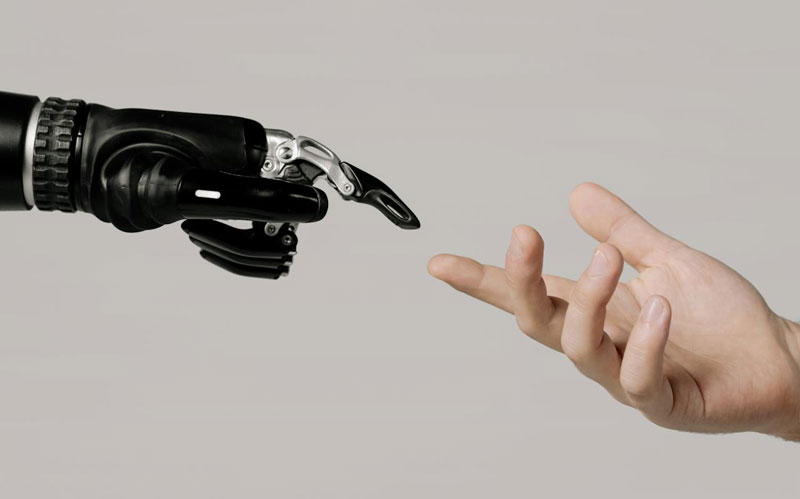
Smarter adaptive systems will learn in real time and give context-based insights. Agent-style AI will also grow, helping organizations complete tasks from beginning to end. Research suggests AI will transform work rather than remove it. Many industries with strong AI adoption are seeing increased wages and new career paths.
AI automation is now a key part of modern business. It supports faster decisions, better service, and higher efficiency. When used responsibly, AI strengthens human work, supports creativity, and allows teams to focus on meaningful tasks. Businesses that adopt AI wisely have a stronger chance of staying competitive.